What Importers Should Check Before Ordering Collision Replacement Parts
A pre-order checklist for importers of collision replacement parts — covering applications, specifications, supplier transparency, inspection and compliance.
BOTAI Editorial Team · 8 November 2026
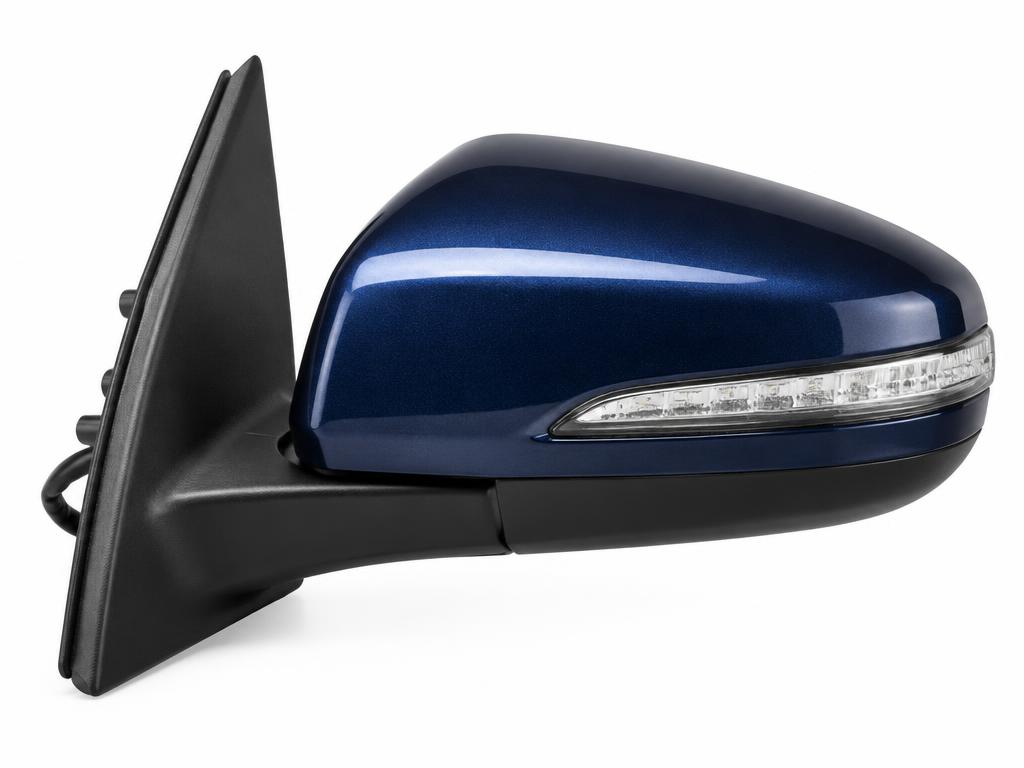
Placing an order for collision replacement parts commits significant capital and warehouse space. A few hours spent on checks before the order can prevent months of problems afterwards. This checklist summarizes what experienced importers review before releasing a purchase order.
1. Applications and references
- Is every line item linked to a specific vehicle application, including body style, year range and trim?
- Are OE references verified from a reliable source?
- Have facelift and market-version differences been considered?
2. Specifications
Each item should have a written specification covering material, finish, features and packaging. For side mirrors, that includes connector type, pin count, heating, power-folding and signal features. For grilles, it includes finish and camera or sensor provisions.
3. Supplier transparency
- Do you know whether your supplier manufactures the parts or coordinates production with partners?
- Can they explain who makes each category?
- Are any claimed certifications documented and specific to the items you are buying?
Transparency is not a nice-to-have. It tells you who is responsible for quality and how issues will be resolved.
4. Samples and fitment
New applications should be sampled or at least reviewed with detailed photos of mounting features. Record approved samples so production can be compared against them. Our guide to verifying fitment explains the process.
5. Commercial terms
- Unit prices, MOQs and lead times per item
- Trade terms (FOB, CIF or other Incoterms)
- Payment terms and milestones
- How defects and fitment issues will be handled
6. Inspection plan
Decide who will inspect, what will be checked, and the acceptance criteria. For first orders, consider an independent inspection company. Include appearance, dimensions of key features, quantities and packaging.
7. Packaging and labeling
Confirm protective packaging, carton markings, labels and barcodes. Packaging that suits your warehouse saves time on receipt. See packaging and shipping body panels.
8. Compliance and documentation
Some markets regulate specific parts, such as mirrors or lighting-adjacent components, or require origin documentation. Check requirements with your customs broker and confirm the supplier can provide the needed documents.
9. Range completeness
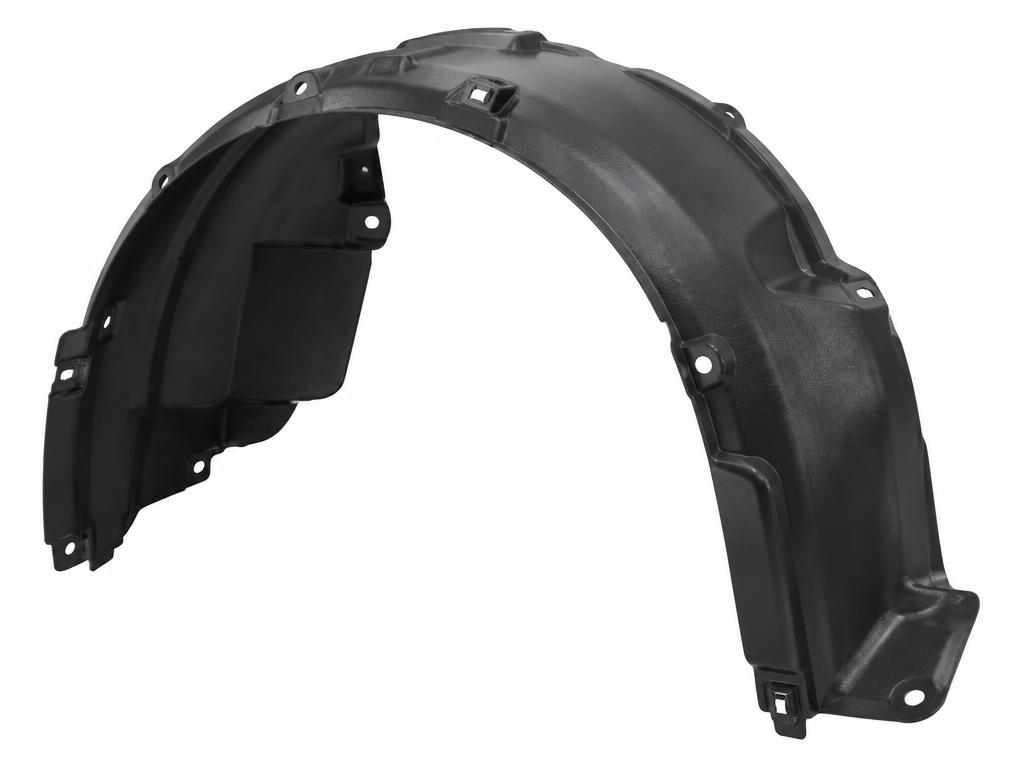
Collision repairs rarely need a single part. Consider whether to add the related brackets, liners and splash shields so your customers can complete repairs from one supplier.
Frequently asked questions
What is the most common cause of problems with collision parts orders?
Imprecise application data — particularly trim and feature differences — followed by inadequate packaging.
Do I need an inspection on every order?
It's strongly recommended for first orders and new applications. For proven repeat items, a lighter check may be sufficient.
Should I order samples before every new range?
For new applications, yes. It's the most reliable way to avoid fitment problems at volume.
Ready to place an order? Send us your part list and we'll review it with you line by line.