Packaging and Shipping Auto Body Panels Internationally
Large, light and easily damaged — body panels need careful packaging and shipping. Here is how to protect them on the way to your warehouse.
BOTAI Editorial Team · 4 November 2026
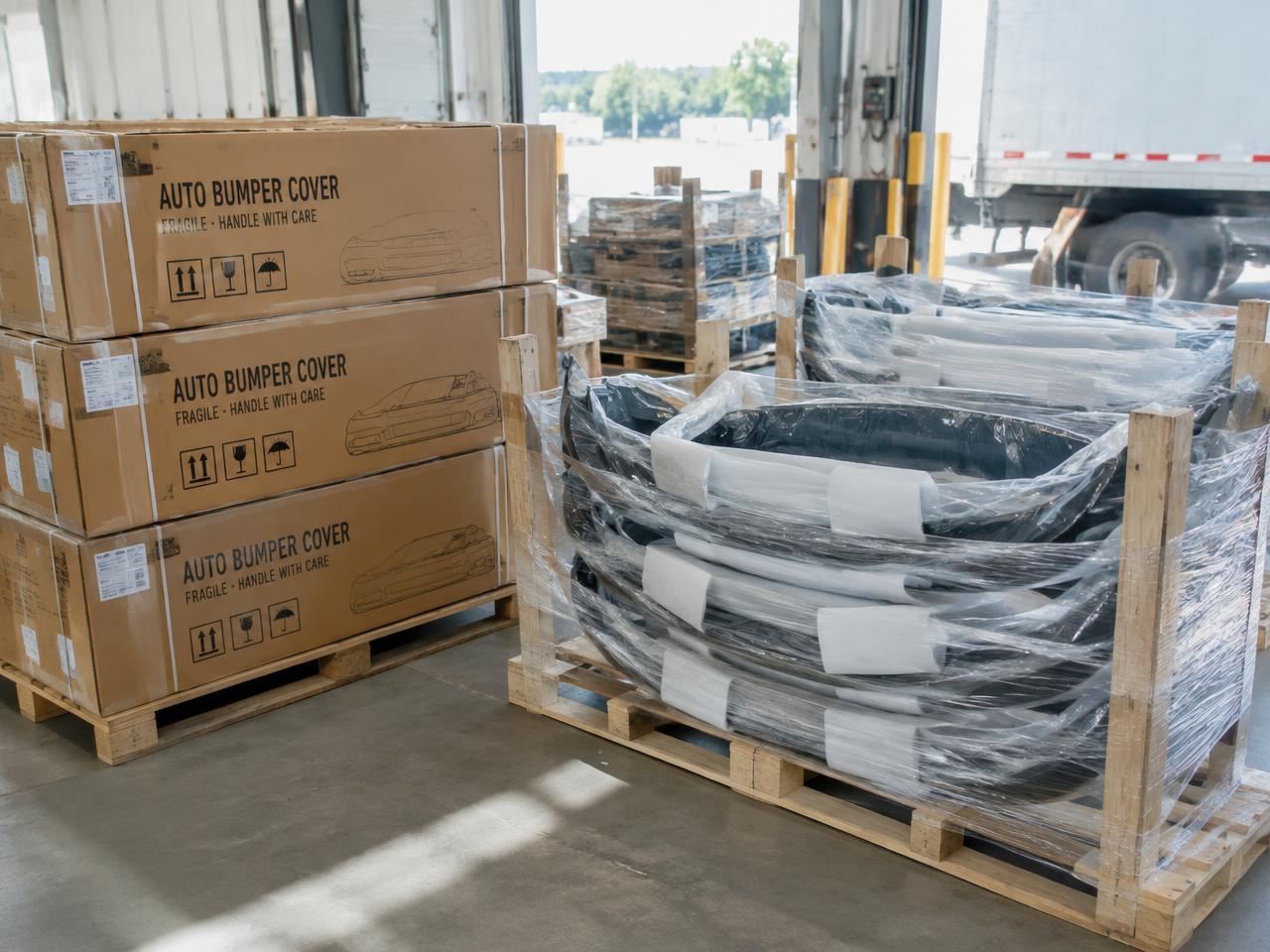
A body panel that arrives dented or scratched is worth little more than scrap. Because panels are large, relatively light and sensitive to surface damage, packaging and shipping deserve as much attention as production. This guide outlines the practices that protect panels from factory to warehouse.
Know the risks
- Surface scratches from rubbing against other parts or cartons.
- Dents from impacts or excessive stacking weight.
- Bent flanges and tabs, especially on fenders, hoods and doors.
- Moisture during long sea transit, which can affect cartons and coatings.
Packaging by part type
Steel panels
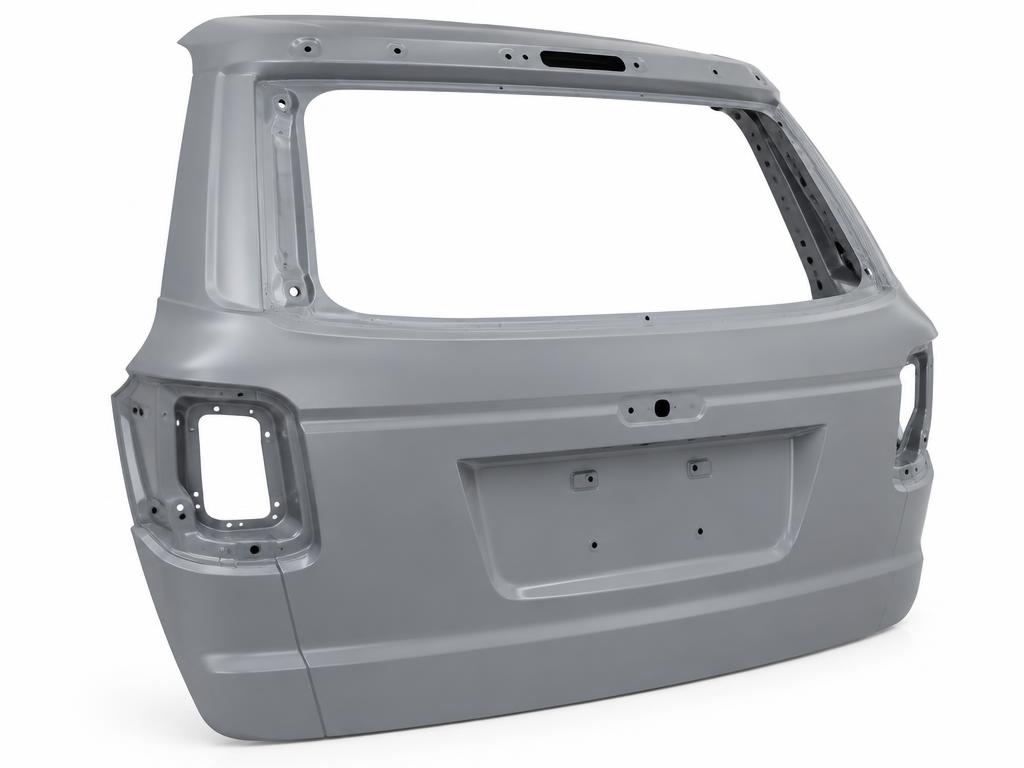
Hoods, fenders, doors and tailgates should be wrapped in foam or protective film, with edge guards on flanges and mounting tabs, and packed in rigid cartons sized to prevent movement. Larger panels may be crated.
Plastic parts
Bumper covers are commonly bagged and may be nested to save space, with separators between pieces so primed surfaces don't rub. Mounting tabs must not bear load.
Small parts
Brackets, clips and small trims can be bagged and labeled individually, then packed in master cartons by part number.
Labeling
Clear labels speed up receiving and reduce picking errors. Include your part number, description, application, quantity and barcode where your warehouse needs it. Private-label programs can carry your brand on cartons.
Palletizing and loading
Palletizing makes handling safer and faster. Stack cartons within agreed height limits, stretch-wrap pallets and use corner boards. In containers, load heavy and dense cartons low, bulky light cartons on top, and fill voids to prevent shifting. Mixed containers benefit from a loading plan agreed in advance.
Choosing a shipping mode
- Sea freight (FCL) is most economical for regular, high-volume orders.
- Sea freight (LCL) suits smaller orders but involves more handling, so packaging must be robust.
- Air freight is used for urgent samples and small, high-value parts.
- Rail can be an option on some routes, balancing speed and cost.
Documentation
Typical export documents include the commercial invoice, packing list and bill of lading or air waybill. Depending on your market, certificates of origin or other documents may be required — confirm requirements with your customs broker before shipment.
Inspect packaging before shipment
Include packaging in your pre-shipment inspection: carton strength, protective materials, labeling and pallet stability. Photos of packed goods and container loading provide a useful record. See our quality coordination process.
Frequently asked questions
Can bumpers be nested to save freight?
Often yes, with separators to protect surfaces and without loading mounting tabs.
Who arranges shipping?
Either your forwarder or ours, depending on the trade terms agreed (for example FOB or CIF).
How can I reduce damage claims?
Agree packaging specs before production, avoid over-stacking, and inspect packaging before loading.
Planning a shipment? Request a quote including your packaging requirements.