How to Source Aftermarket Auto Body Parts from China
A practical, step-by-step guide for importers and distributors planning to source bumpers, fenders, hoods and other collision parts from China.
BOTAI Editorial Team · 21 October 2026

China is one of the largest production bases for aftermarket automotive body parts. Bumper covers, fenders, hoods, grilles, mirrors and the many brackets and liners that complete a collision repair are manufactured in specialized industrial clusters, and importers around the world rely on them to supply repair shops and distributors. Sourcing successfully, however, takes more than finding a low price. This guide explains the process step by step, from preparing your part list to receiving goods in your warehouse.
1. Start with a clear part list
The single most useful document in any sourcing project is a structured part list. Suppliers quote faster and more accurately when they can see exactly what you need. A good list includes:
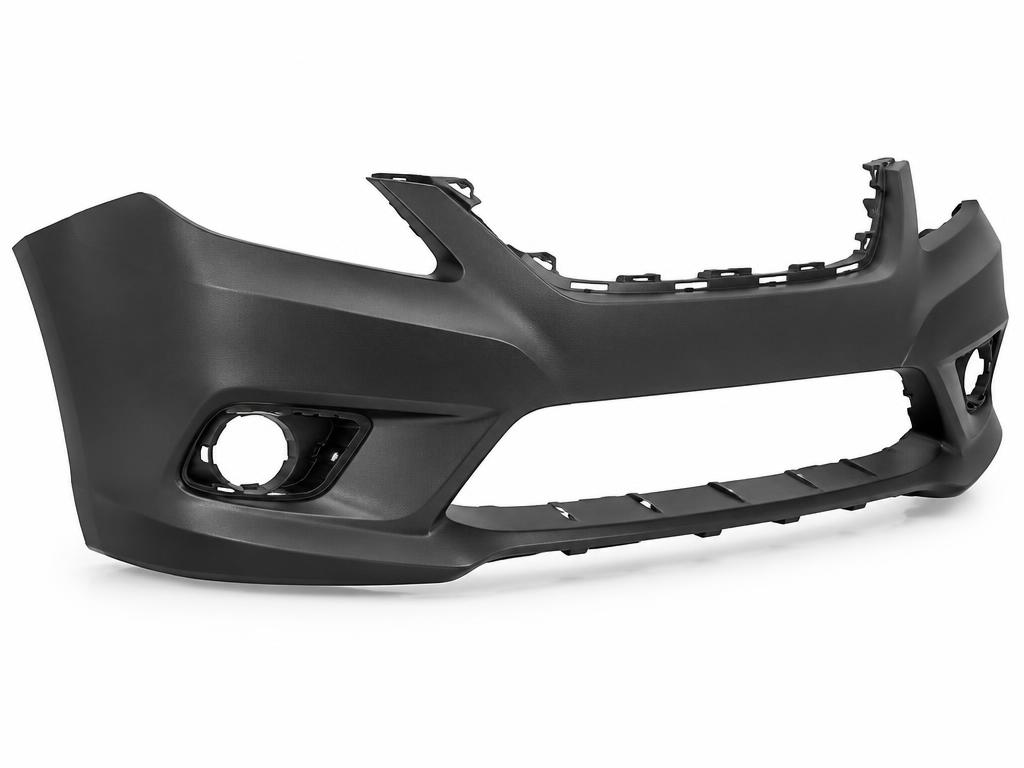
- Part description — for example "front bumper cover, primed, with fog-lamp holes".
- Vehicle application — make, model, body style and year range.
- OE reference number, if you have one. This is the strongest way to identify the correct part, but only use references you have verified.
- Quantity — per item, and expected annual volume if this is a recurring program.
- Finish and packaging requirements — primed, textured, chrome-accented; neutral or private-label cartons.
A spreadsheet is ideal. It can be attached directly to a quote request, and it becomes the basis for your purchase order later.
2. Understand who you are buying from
Suppliers in China fall broadly into two groups: manufacturers that own tooling and production lines, and trading or sourcing companies that work with several manufacturers. Both have a place. A manufacturer may offer the deepest knowledge of its own products, while a sourcing partner can combine parts from several specialist factories into one order — useful if your list spans bumpers, fenders, mirrors and brackets.
What matters most is transparency. Ask suppliers to state clearly whether they produce the parts themselves or coordinate production with partners. A trustworthy supplier will not claim to own factories it does not own.
3. Evaluate suppliers on more than price
Price is important, but in body parts the costs of a poor supplier show up later — in returns, failed fitment, transit damage and lost customers. When comparing suppliers, look at:
- Tooling coverage for your applications. No supplier covers every vehicle; ask for a coverage list for your target models.
- Sample quality. Order samples of representative parts and test-fit them where possible.
- Communication. Clear, timely answers during quotation usually predict how issues will be handled during production.
- Packaging capability. Large panels need proper protection; ask to see packaging photos.
- Documentation. Confirm the supplier can provide the commercial invoice, packing list and any origin documents your customs broker needs.
4. Request quotations the right way
Send the same part list to each supplier you are evaluating so quotations are comparable. Ask for unit price, MOQ per item, lead time, packaging description, carton dimensions and weights, and trade terms such as FOB or CIF. Carton dimensions matter more for body parts than for most products: a bumper cover is light but bulky, so freight cost per unit can be significant.
Questions worth asking
- Which items on my list are standard and which require new tooling?
- Are there any applications where fitment has not yet been verified?
- Can parts be mixed in one container, and what is the minimum per item?
5. Verify fitment before volume orders
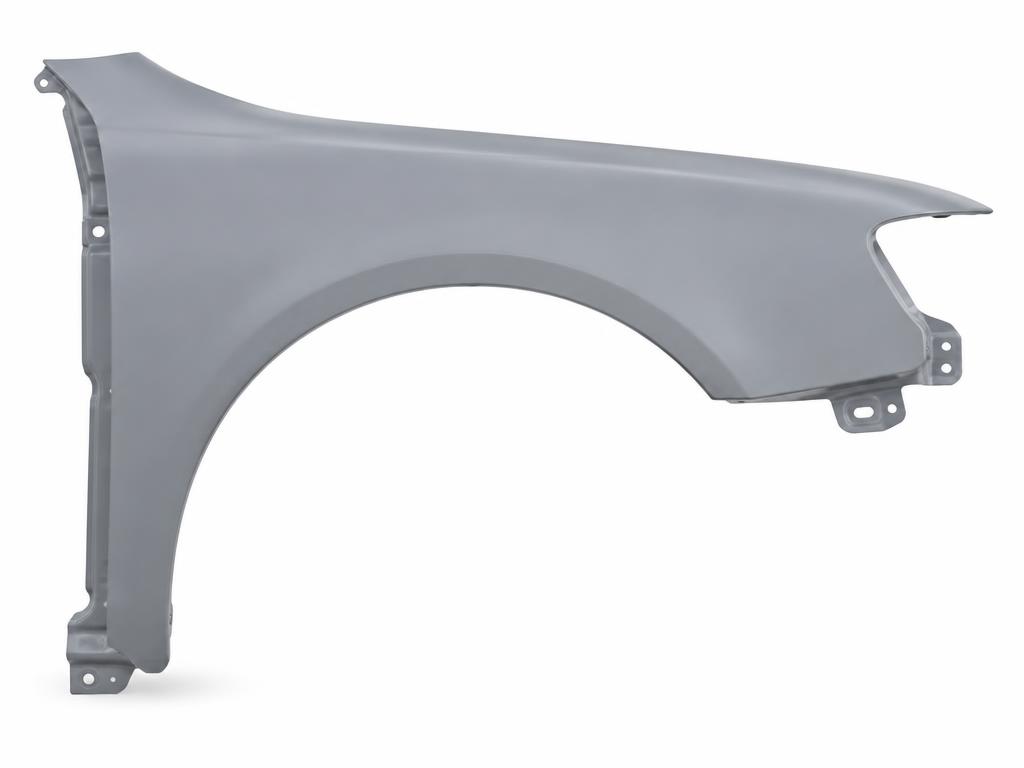
Fitment is the core quality attribute of any replacement body part. Even a perfectly finished fender is worthless if its mounting holes do not line up. For new applications, arrange samples or detailed photos of mounting features before committing to volume. Our article on how to verify body parts fitment covers this in detail.
6. Agree specifications in writing
Before production starts, confirm a written specification for each item: description, application, reference number, material, finish, packaging and labeling. This protects both sides. When something is ambiguous — for example whether a bumper needs parking-sensor holes — resolve it now rather than after shipment.
7. Arrange inspection
A pre-shipment inspection checks appearance, key dimensions, mounting features, quantities and packaging before goods leave China. Inspections can be carried out by the supplier's own staff, by the sourcing partner, or by an independent third-party inspection company that you appoint. For first orders and new suppliers, an independent inspection is usually worth the cost.
8. Plan packaging and shipping
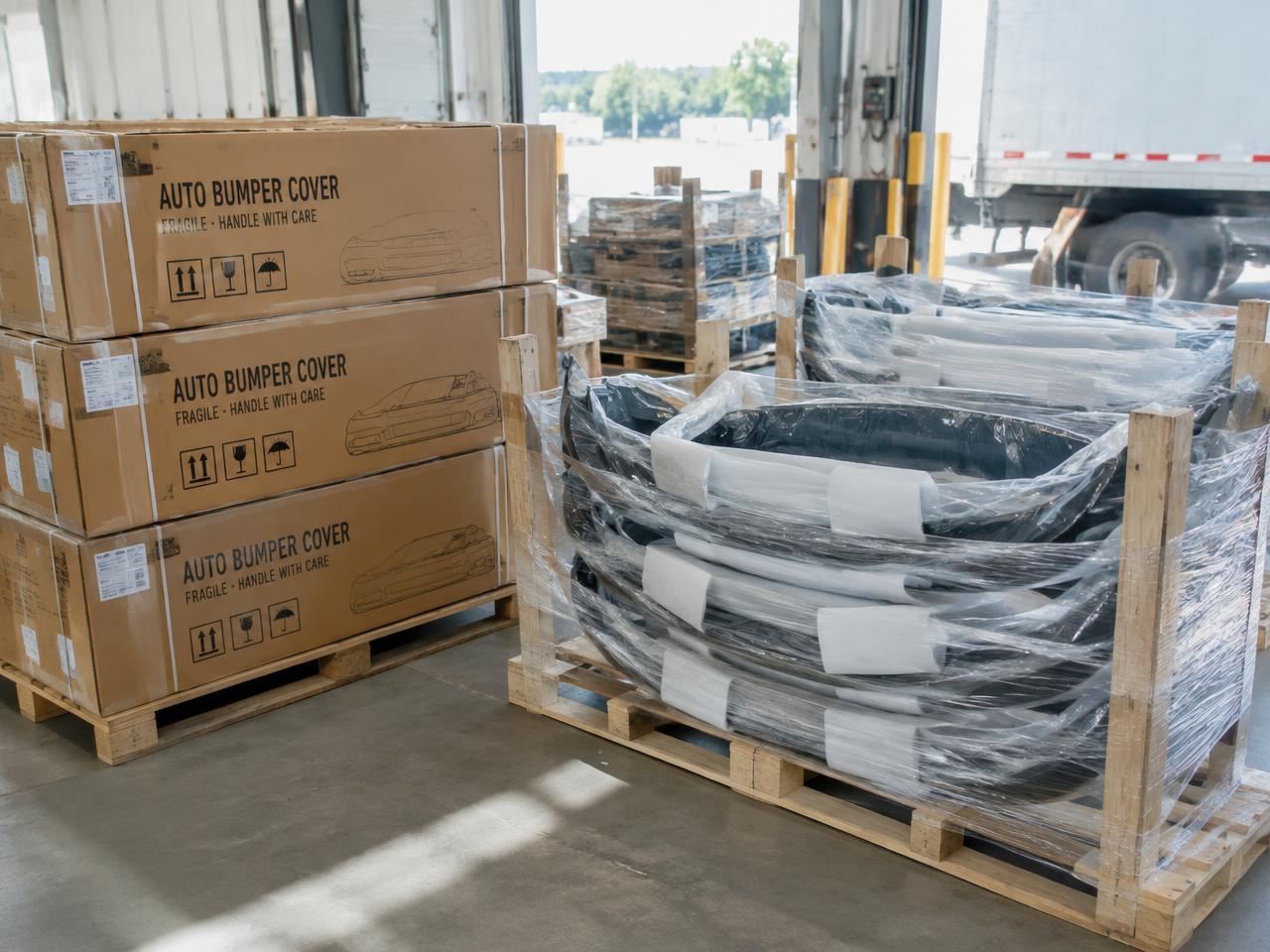
Body panels are vulnerable to scratches, dents and bent flanges. Agree packaging in advance — see our guide to packaging and shipping body panels internationally. Most distributors ship by sea in full or shared containers; urgent samples or small parts may go by air.
9. Build a long-term relationship
The best results come from stable relationships. Share sales feedback, report any fitment issues with photos, and plan replenishment early. Over time, a good supplier learns your market and can recommend new applications worth adding to your range.
Frequently asked questions
What is a typical MOQ for aftermarket body parts?
MOQ varies by part and supplier. High-volume items like bumper covers can often be mixed across applications, while tooling-intensive panels may carry higher minimums. Always ask per item.
Do I need OE numbers to request a quote?
No, but they help. Vehicle make, model, body style and year range are usually enough to begin; OE references reduce the risk of mismatched parts.
How long does production take?
Lead times depend on the part mix and whether tooling exists. Suppliers should give you a lead time per item in the quotation.
Can I combine several categories in one shipment?
Yes. A sourcing partner can consolidate parts from several manufacturers into one container, which is common for distributors stocking complete repair ranges.
Ready to start? Send your part list through our quote request form and our team will review coverage, MOQ and pricing for each item.