Wholesale Bumper and Fender Sourcing Guide
Bumpers and fenders are the highest-volume collision parts. Here is how distributors can source them efficiently at wholesale scale.
BOTAI Editorial Team · 31 October 2026
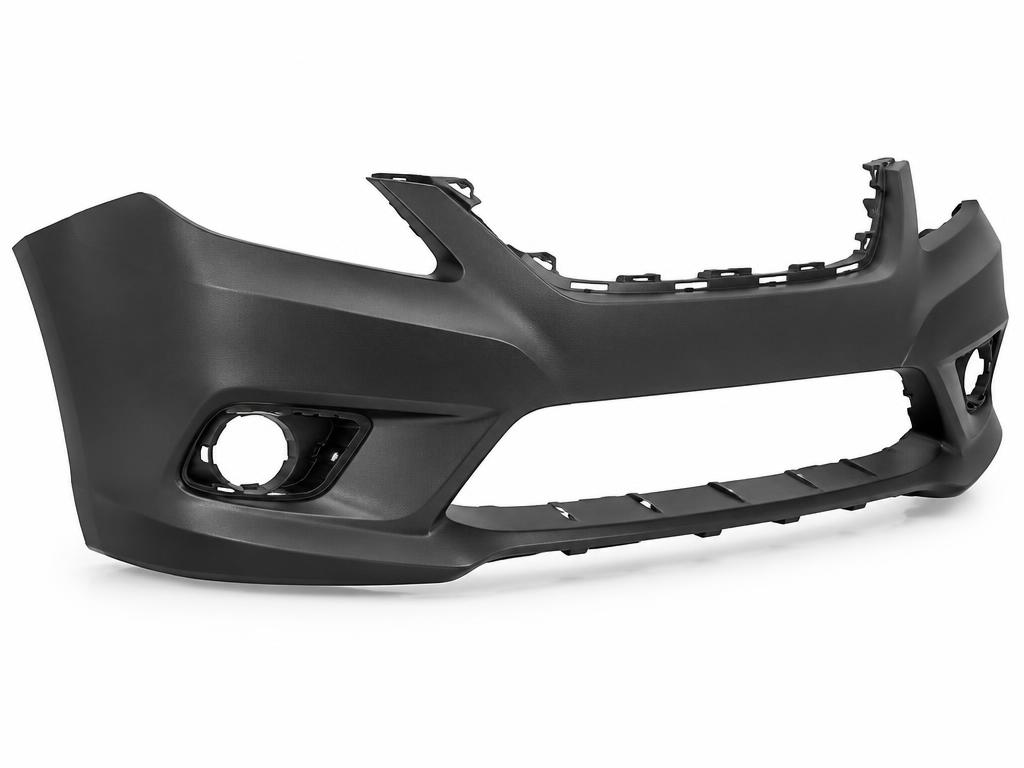
Bumper covers and front fenders are among the most frequently replaced parts in collision repair. For distributors, they are often the backbone of the range — high volume, steady demand, and a gateway to selling the related parts that complete each repair. This guide covers how to source them efficiently at wholesale scale.
Plan your range around repair demand
Start with data: which vehicles are most common in your market, and which are most frequently involved in minor front and rear collisions? Popular compact cars, sedans and crossovers usually dominate. Build an initial range around these, then expand into slower-moving applications once replenishment for the core is reliable.
Bumper covers: what to specify
- Front or rear, and whether you need the cover only or a complete assembly.
- Finish — primed for painting, or textured black for unpainted trims.
- Feature provisions — fog-lamp holes, parking-sensor holes, headlamp-washer openings, tow-hook covers.
- Related parts — reinforcement bars, absorbers, brackets and grilles that customers will need at the same time.
Feature provisions are where most bumper errors occur. A cover with sensor holes cannot be sold for a vehicle without sensors unless your customers are prepared to fill them, so stock the variants your market actually needs.
Fenders: what to specify
- Left or right, and front fender versus rear quarter panel.
- Material — steel in most cases, aluminum for some applications.
- Coating — e-coat or primer, with coverage inside flanges.
- Provisions — side-marker, antenna or emblem holes where applicable.
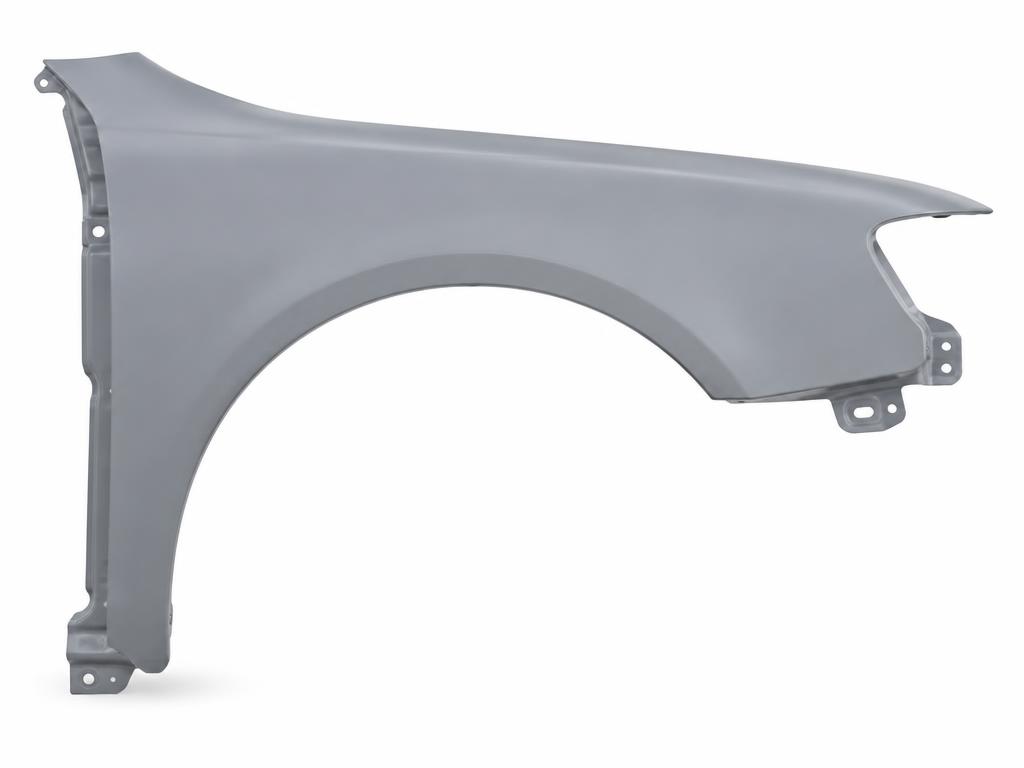
Fenders are usually supplied as pairs within a range, but demand is rarely symmetrical, so plan quantities per side based on your sales history.
MOQs and mixed containers
Bumper covers are bulky but light, so container space — not weight — is usually the limiting factor. Mixed containers that combine bumpers, fenders, liners and splash shields make better use of space and let you hold a broad range without excess stock of any single item. Ask suppliers about per-item minimums within a mixed order.
Packaging for bulky parts
Bumpers can be nested to reduce volume, but nesting must not scratch primed surfaces or deform mounting tabs. Fenders need edge protection and rigid cartons. Agree packaging specifications before production and include packaging in your inspection checklist.
Pricing considerations
When comparing quotations, calculate landed cost per unit — including freight, duties and handling — rather than just the factory price. A slightly higher unit price with better packaging can be cheaper overall if it reduces damage and returns.
Replenishment
Fast-moving bumpers and fenders benefit from a regular replenishment schedule. Share forecasts with your supplier so they can plan production, and review sales every few months to adjust quantities and add new applications.
Private label
Many distributors sell bumpers and fenders under their own brand. Private-label cartons and labels help build recognition with repair shops. See our custom services for how we coordinate this.
Frequently asked questions
Can I mix bumpers and fenders in one container?
Yes — mixed containers are common and help balance bulky and dense parts.
Should I stock primed or textured bumpers?
Both, according to the trims common in your market. Many vehicles use primed covers on upper trims and textured on base trims.
How do I reduce transit damage?
Agree packaging specs in advance, avoid over-stacking and include packaging checks in pre-shipment inspection.
Building a bumper and fender program? Explore bumpers, explore fenders, or request a quote.