OEM vs Aftermarket Body Panels: Key Differences
What separates OEM and aftermarket body panels — and how distributors can position aftermarket parts honestly and profitably.
BOTAI Editorial Team · 24 October 2026
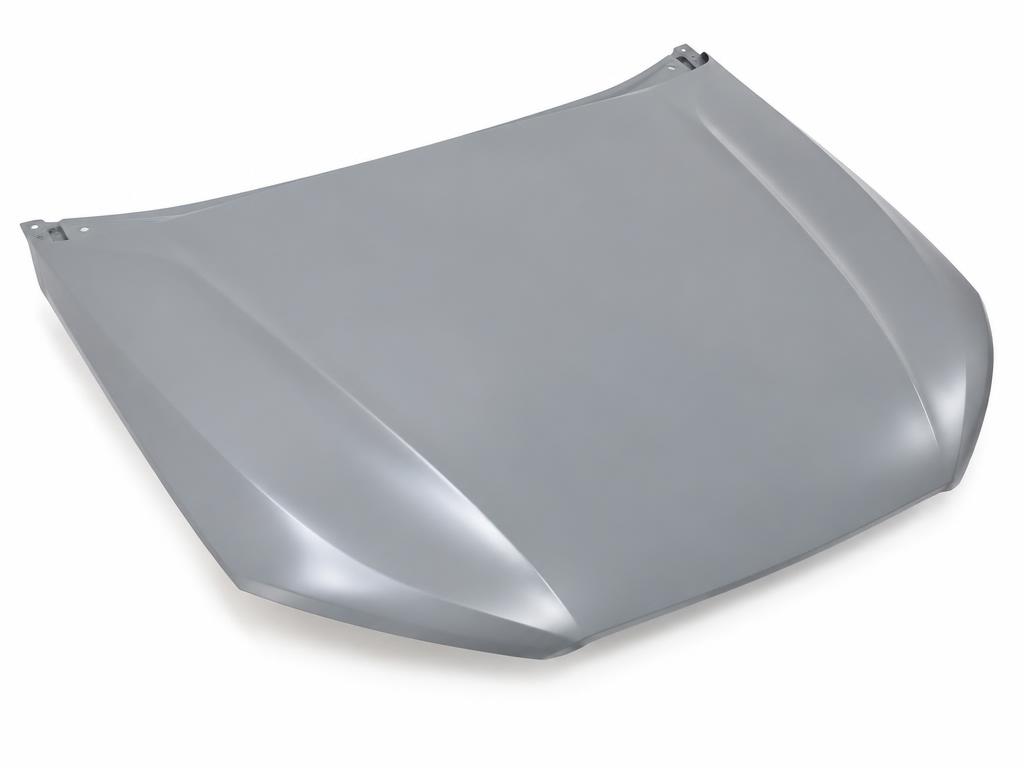
Every collision repair involves a choice between original equipment (OEM) parts supplied through the vehicle manufacturer's network and aftermarket parts made by independent producers. For distributors and repair networks, understanding the real differences — rather than the marketing claims on either side — is essential to stocking the right range and advising customers honestly.
What "OEM" and "aftermarket" mean
OEM parts are supplied through the vehicle manufacturer's parts channel and are typically identical to those fitted at the factory. Aftermarket parts are designed and produced independently to fit the same vehicles. They are not affiliated with, or approved by, the vehicle manufacturer unless a specific certification program says otherwise.
Within the aftermarket there is a wide range of quality. Some producers invest heavily in tooling accuracy and materials; others compete purely on price. This range is why supplier selection and fitment verification matter so much.
Fit
Fit is the most important difference buyers worry about. OEM panels are built on the original tooling, so fit is generally predictable. Good aftermarket panels are produced from tooling developed by measuring original parts and can fit very well, but accuracy depends on the producer. That's why we recommend sampling new applications and checking mounting points, gaps and contours before volume orders.
Materials
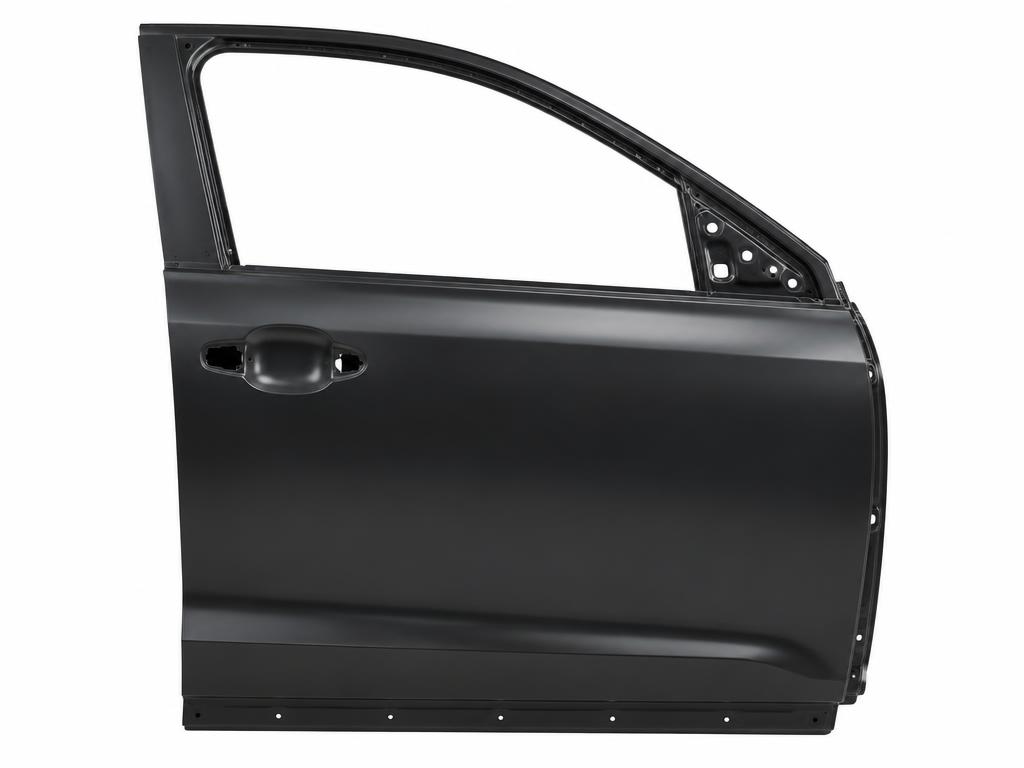
For steel panels such as hoods, fenders and doors, material grade and thickness influence dent resistance and how the panel behaves during repair. For plastic parts such as bumper covers, the plastic blend affects flexibility, paint adhesion and impact behavior. When sourcing aftermarket parts, ask for the material specification and compare samples side by side with the original where possible.
Finish and corrosion protection
Most replacement steel panels — OEM and aftermarket — are supplied in a protective primer or e-coat, ready for body-shop preparation and paint. Quality of that coating varies. Look for even coverage, including inside flanges and hems, and no bare spots where corrosion could start.
Plastic parts may be supplied primed for painting or in a textured finish for unpainted trims. Make sure the finish matches the trim level you're targeting.
Price
Aftermarket panels are generally priced below OEM equivalents, which is why insurers, fleet operators and cost-conscious repairers use them. For distributors, the margin opportunity is real — but only if return rates stay low. A cheaper part that comes back because it doesn't fit costs more than it earns.
Availability
OEM parts availability depends on the vehicle manufacturer's distribution and can be limited for older vehicles. Aftermarket supply focuses on high-volume applications, so popular models are usually well covered while low-volume or very new models may not be. Ask suppliers for coverage lists rather than assuming.
Certifications
Some markets have independent certification programs for aftermarket collision parts. If your customers require certified parts, confirm exactly which items carry which certification, and request the documentation from the manufacturer. Never assume a supplier's whole range is certified because one item is.
Choosing the right option for your customers
- Insurance and fleet repairs often favor quality aftermarket parts for cost control.
- Newer, high-value vehicles under warranty may require OEM parts.
- Older vehicles are frequently repaired with aftermarket parts because they are more readily available and economical.
Many distributors carry both and let the repair context decide. The key is to describe aftermarket parts accurately: "aftermarket replacement for" a given application, not "OEM" or "original".
Frequently asked questions
Are aftermarket body panels lower quality than OEM?
Not necessarily. Quality varies by producer. Well-made aftermarket panels can fit and perform well; sampling and inspection help you tell the difference.
Can I describe aftermarket parts using OE numbers?
OE numbers can be used as a reference to identify the application, typically worded as "replaces" or "reference", but parts should not be represented as original manufacturer parts.
Do aftermarket panels need painting?
Most steel panels and many bumper covers are supplied primed and need painting. Textured trims are often ready to fit.
Looking to build an aftermarket range? Request a quote with your target applications and we'll confirm coverage.